Ecosystems
Natural grassland
About the Ecosystem
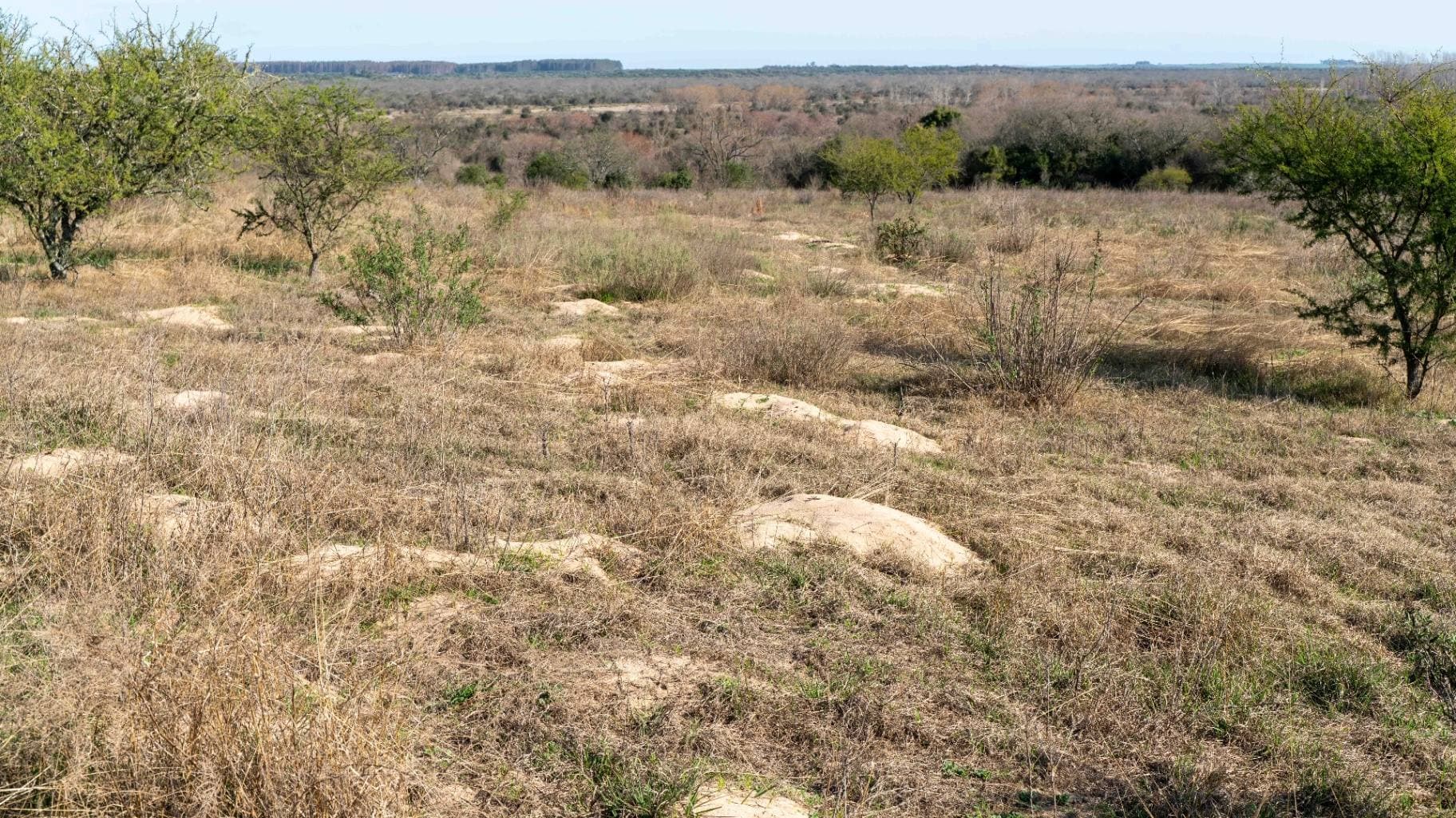
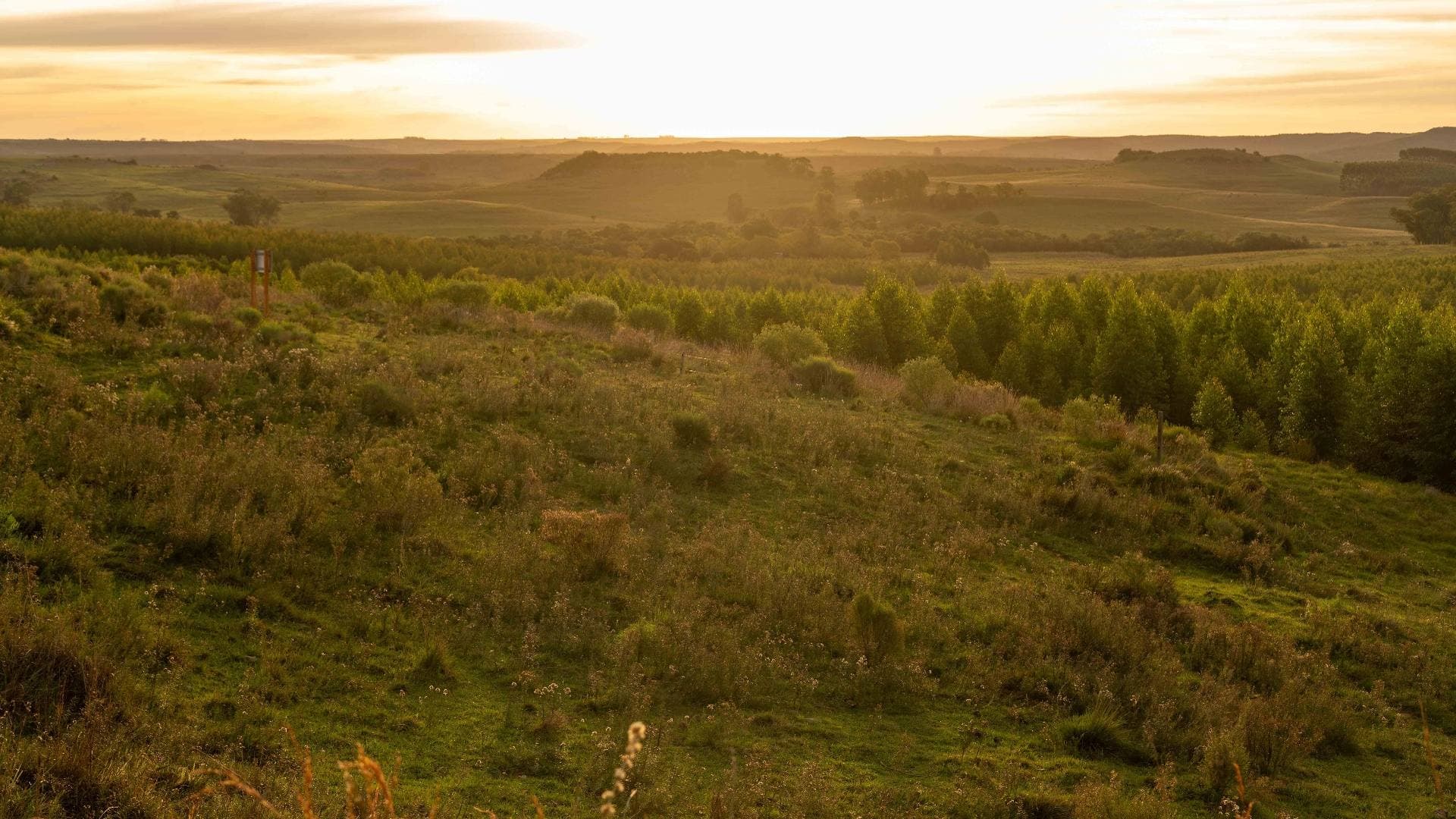
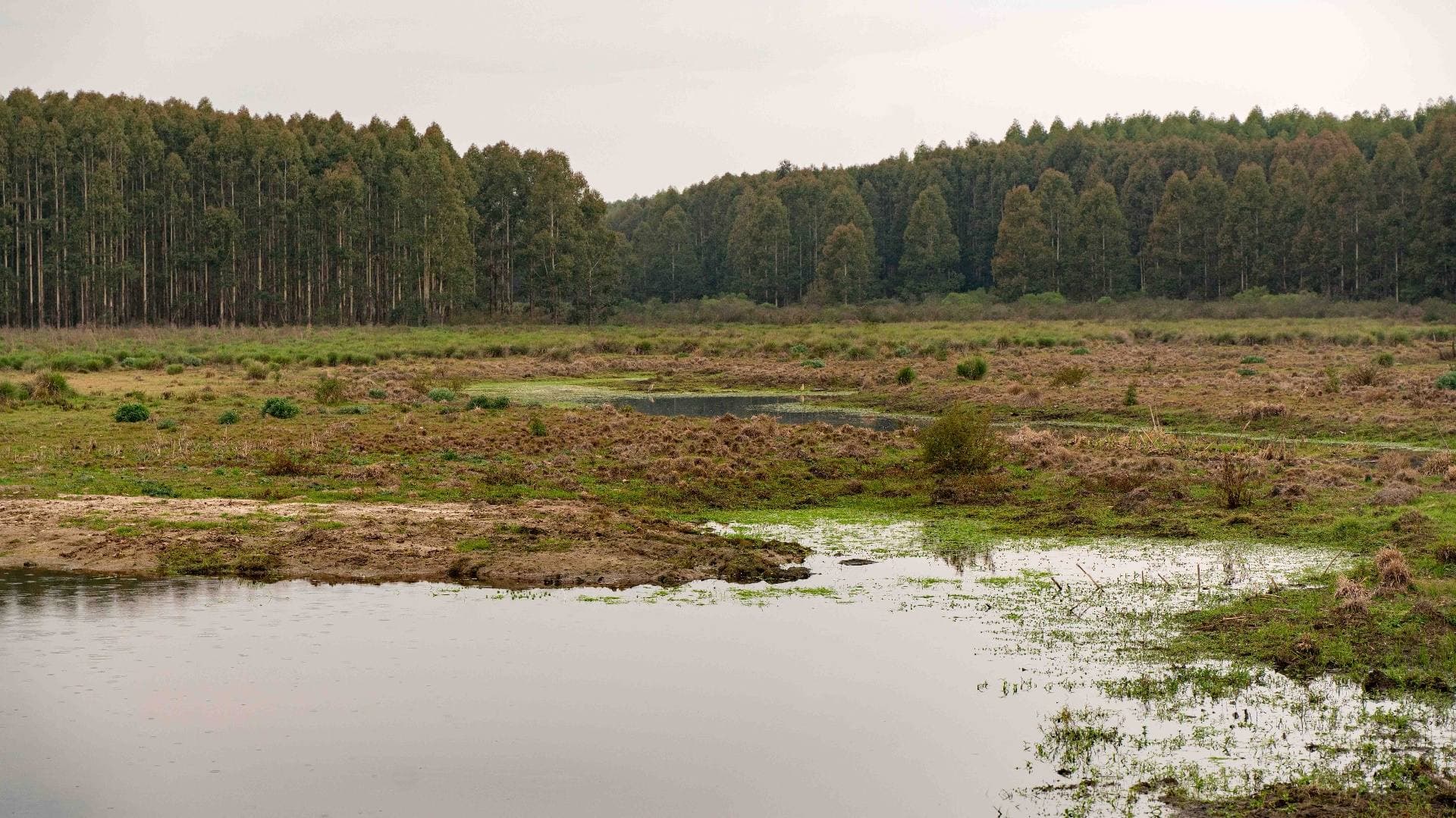
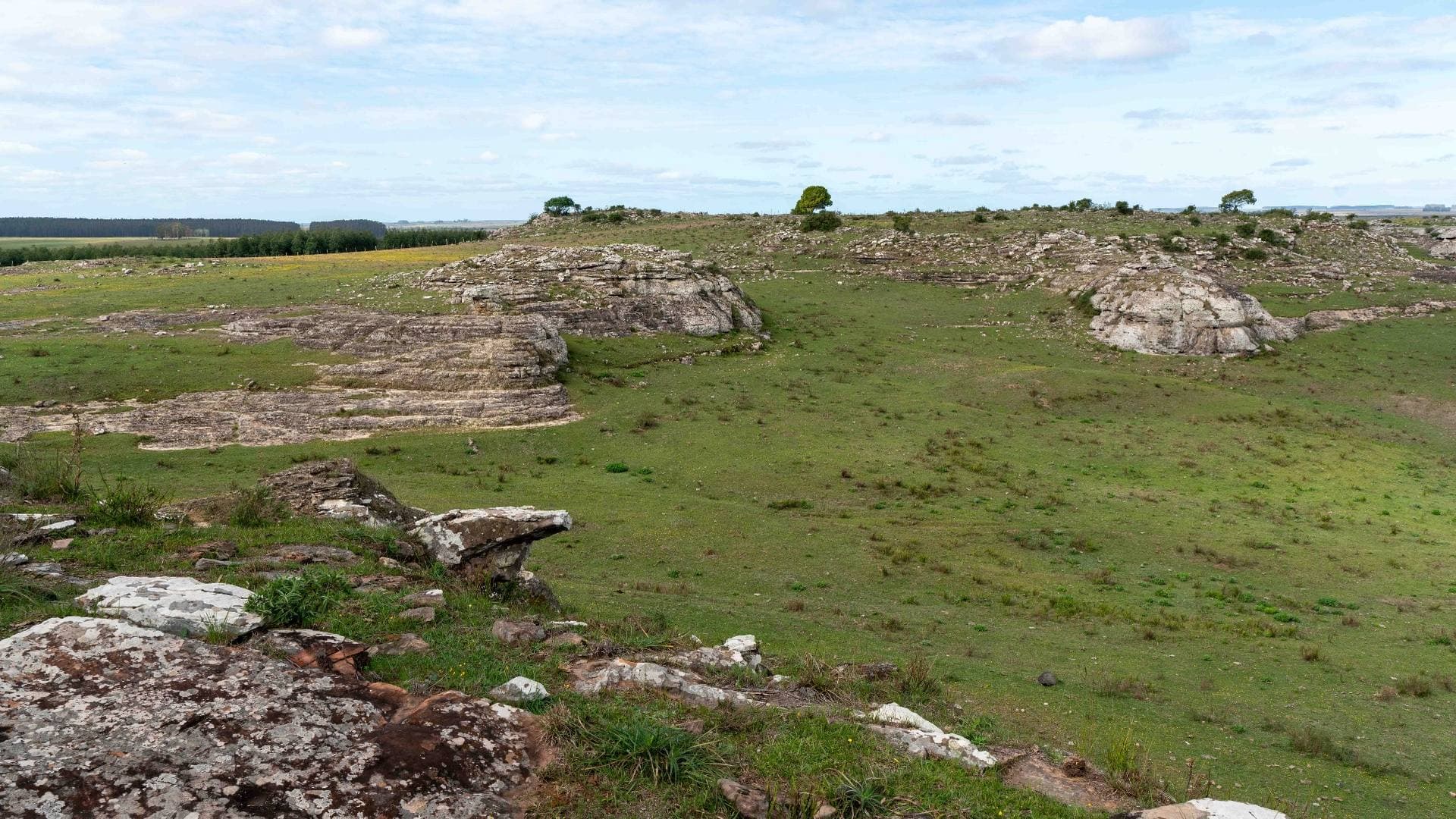
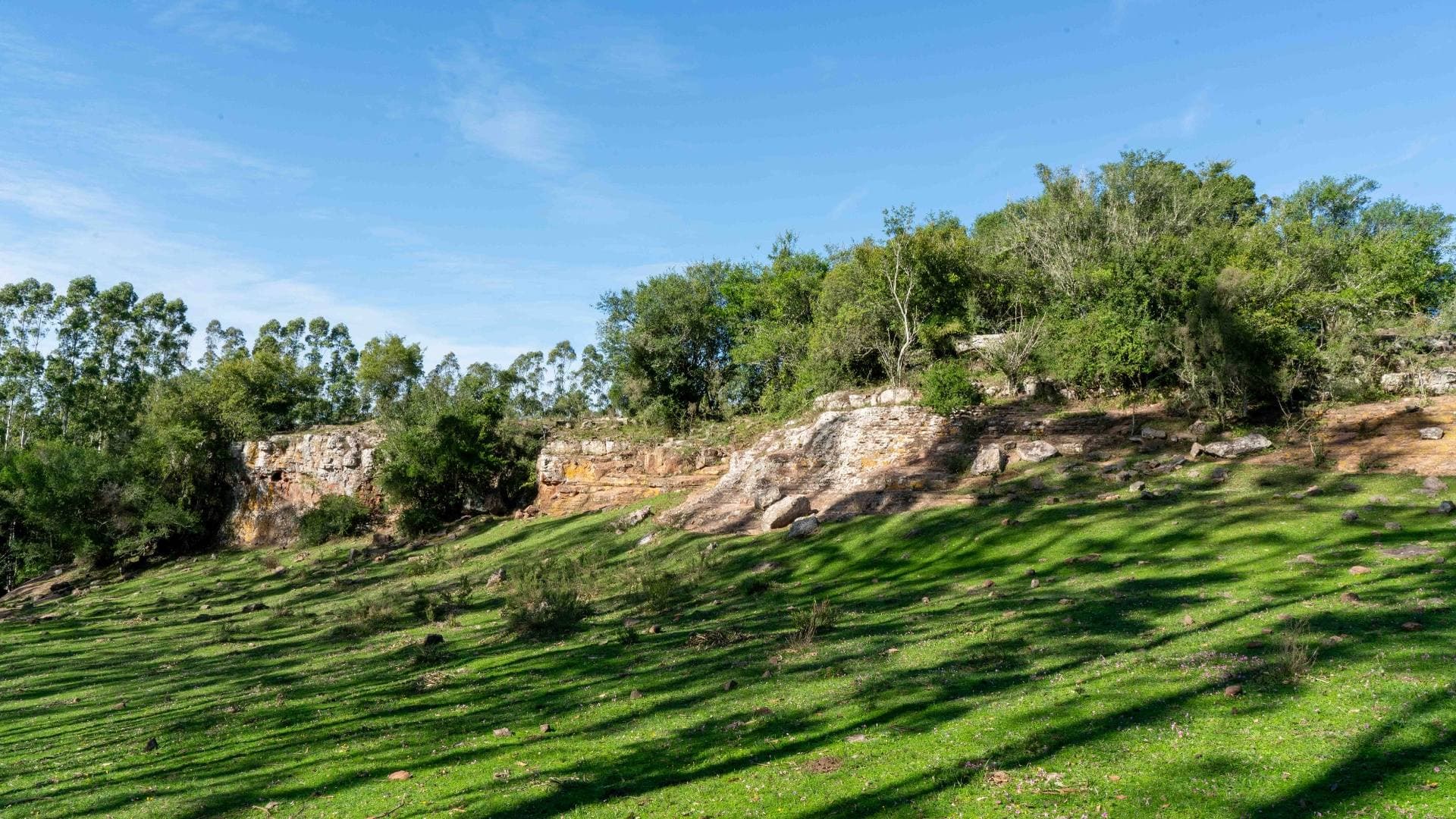
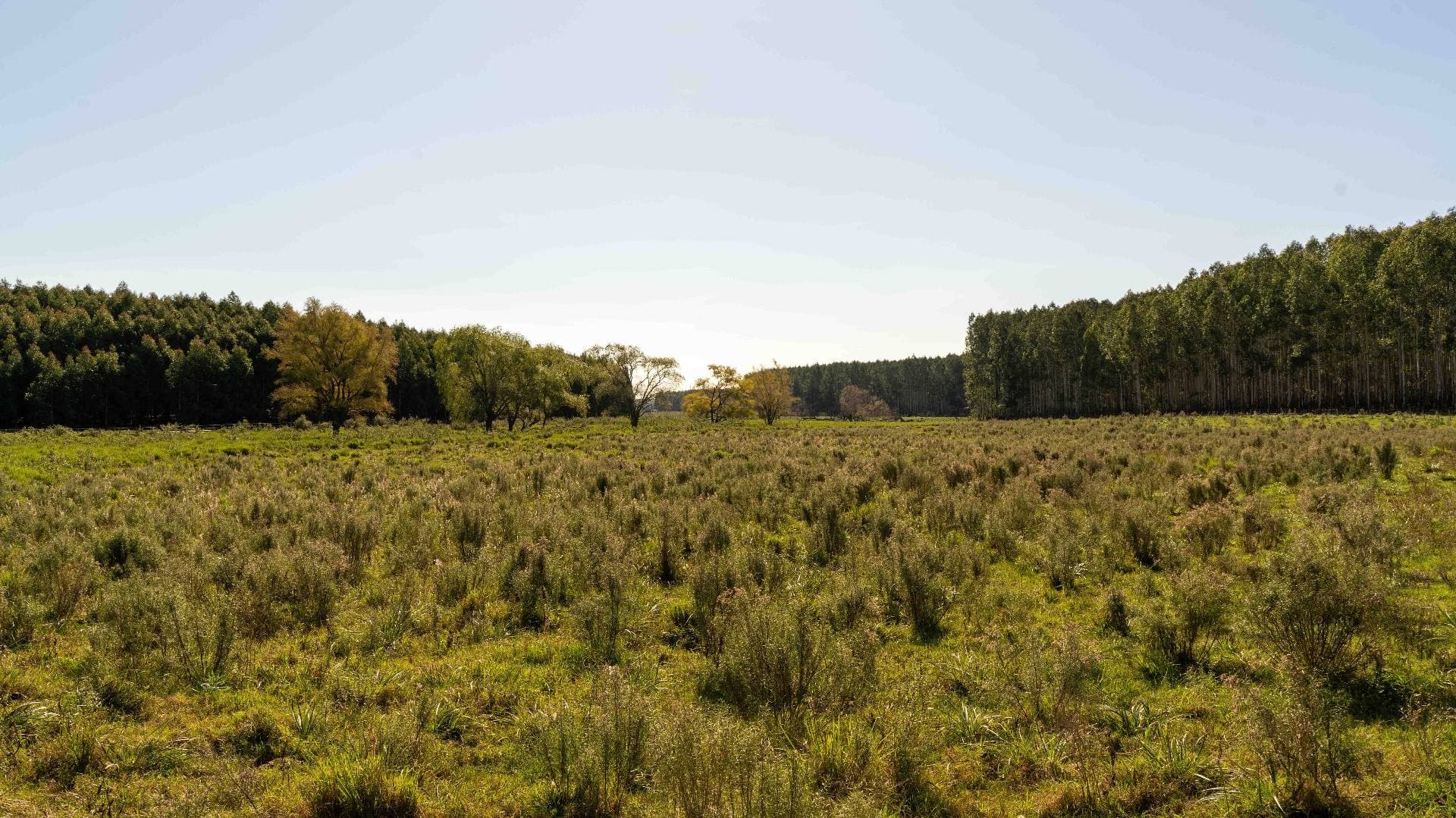
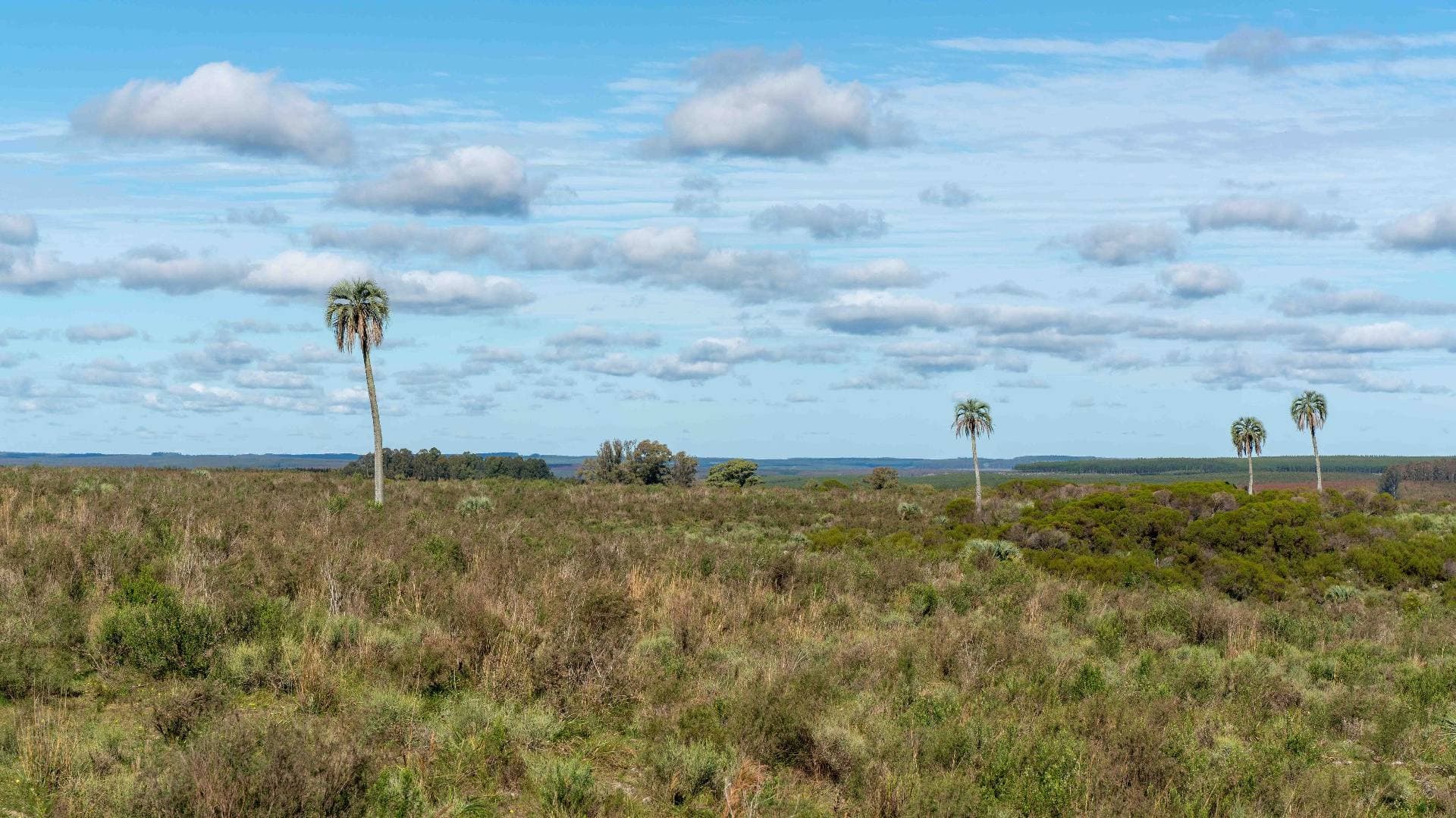
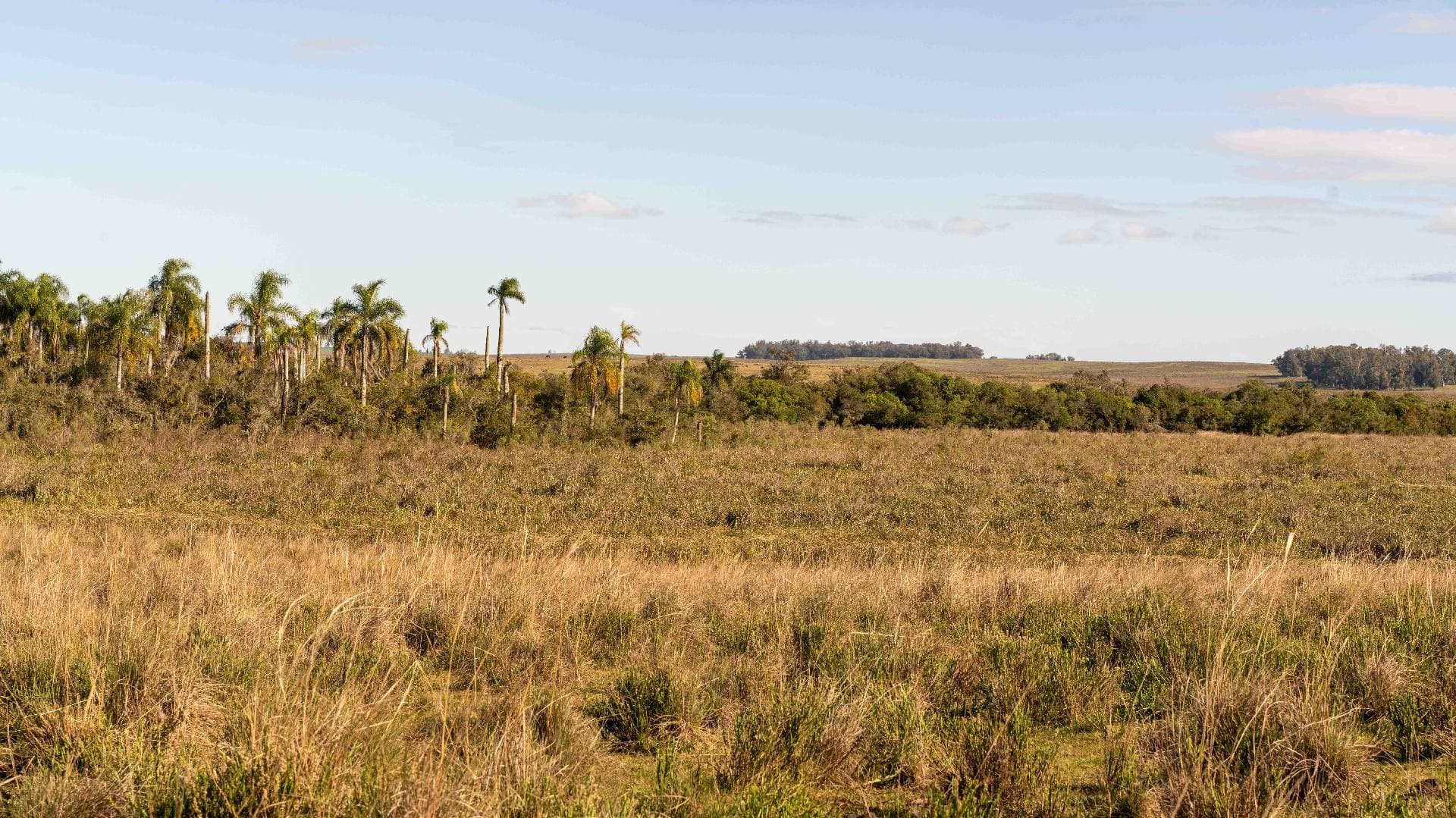
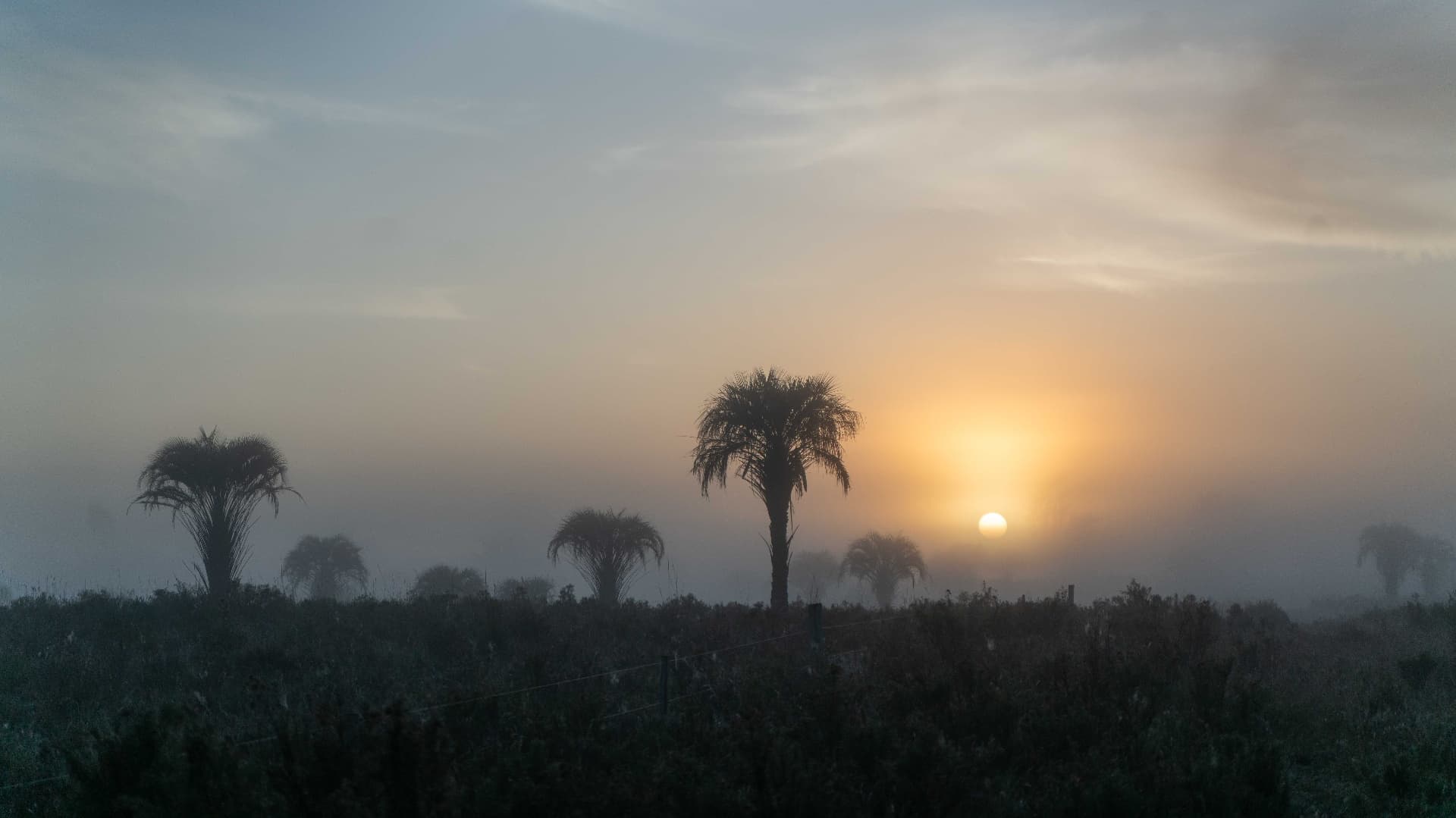
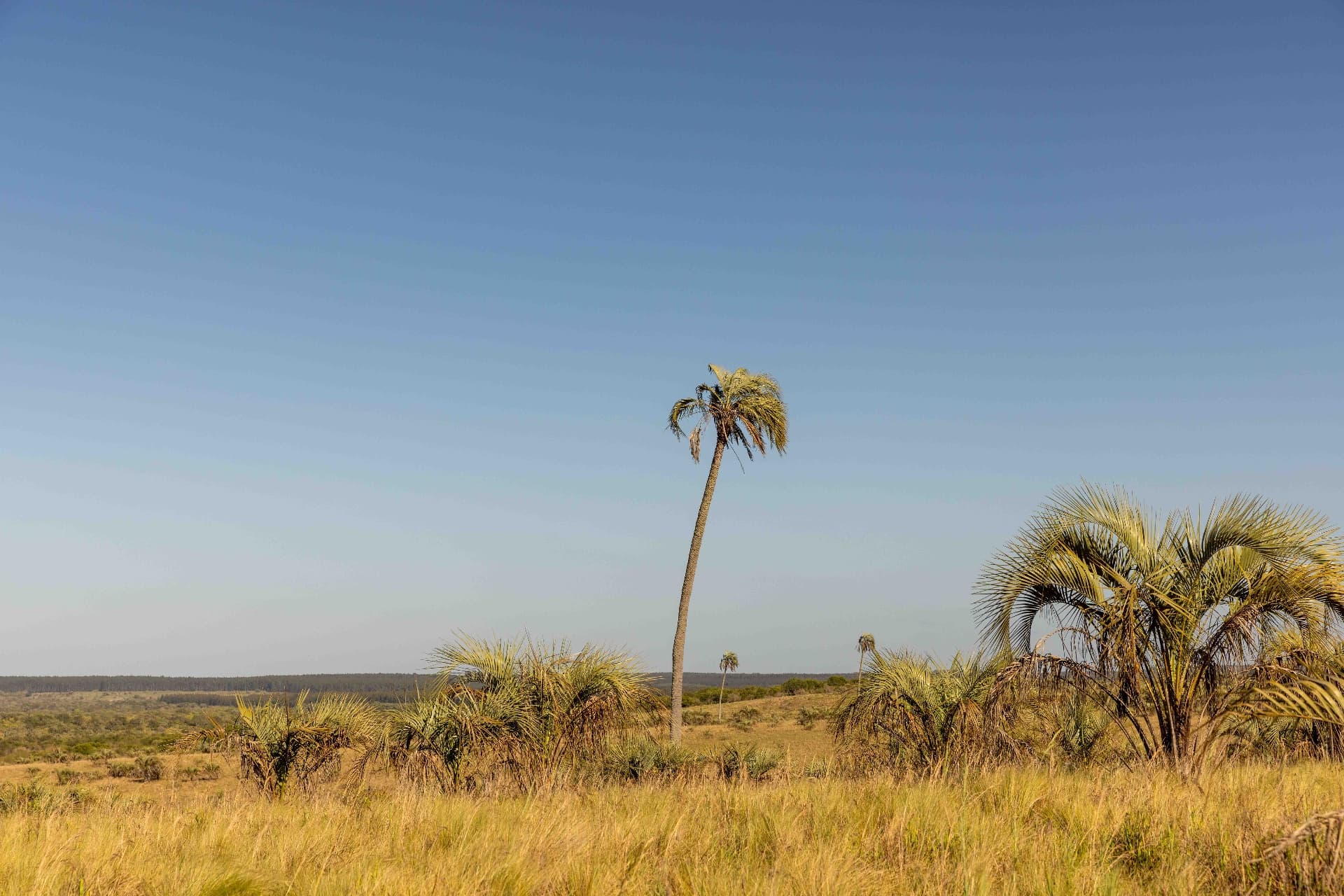
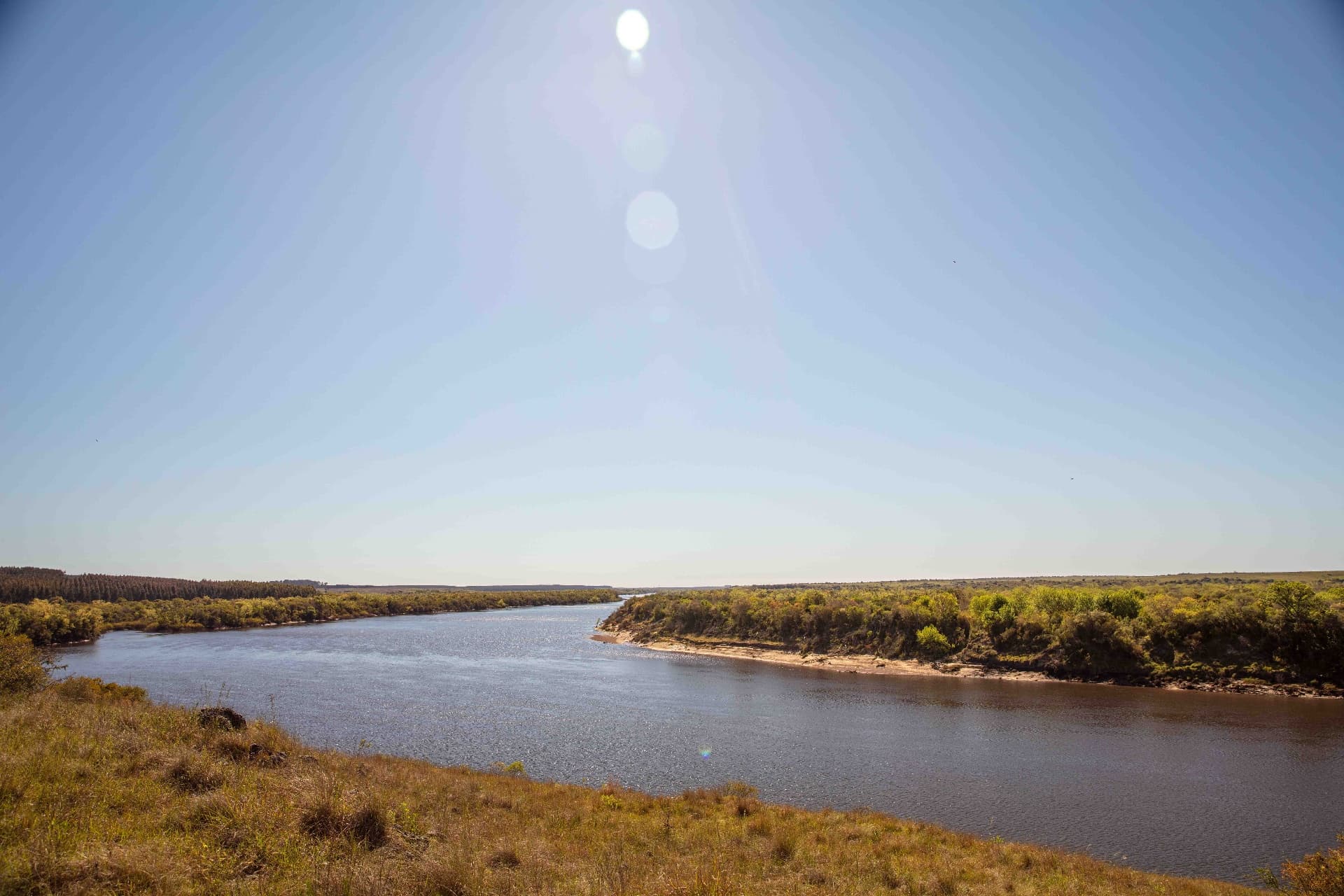
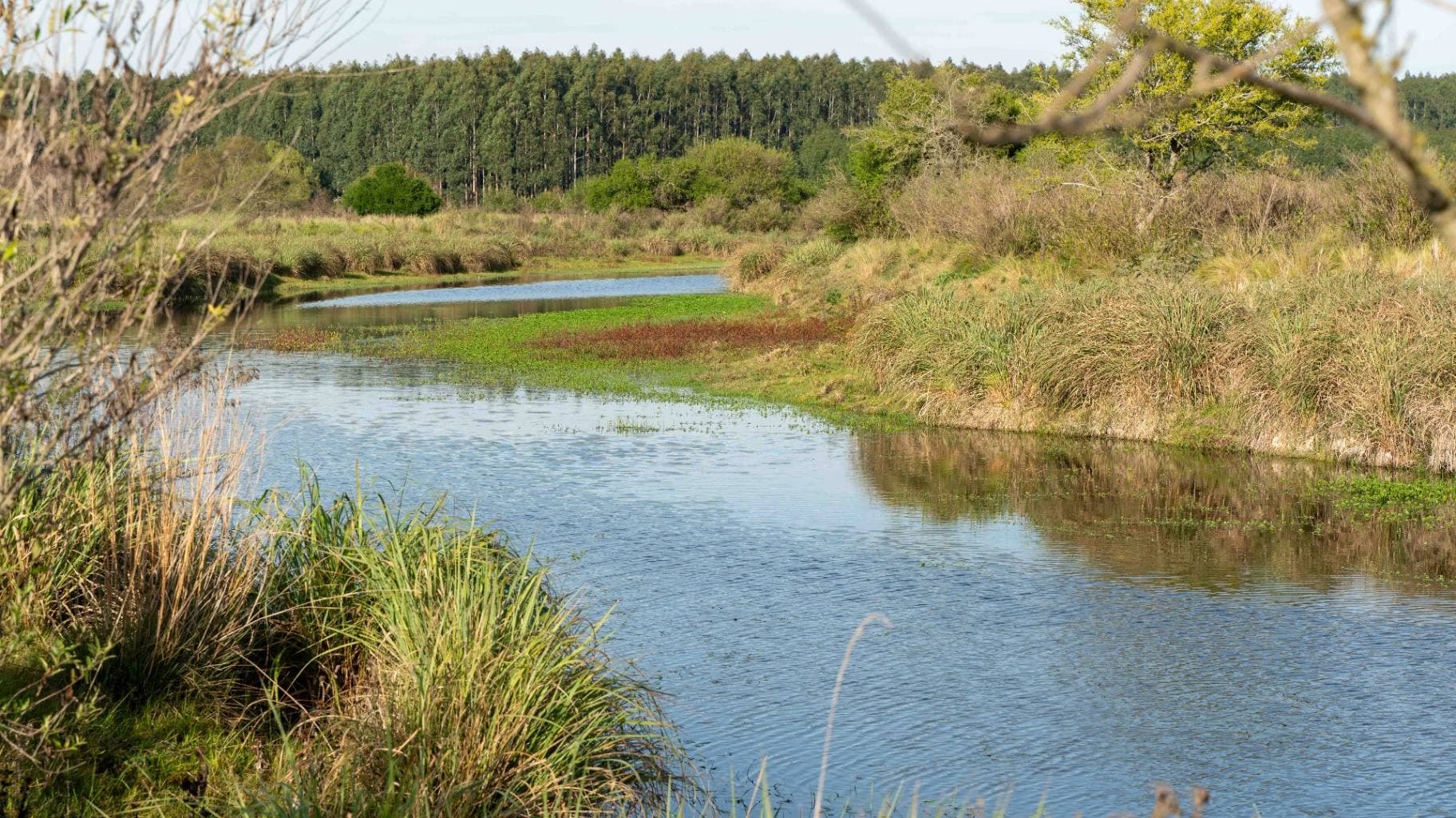
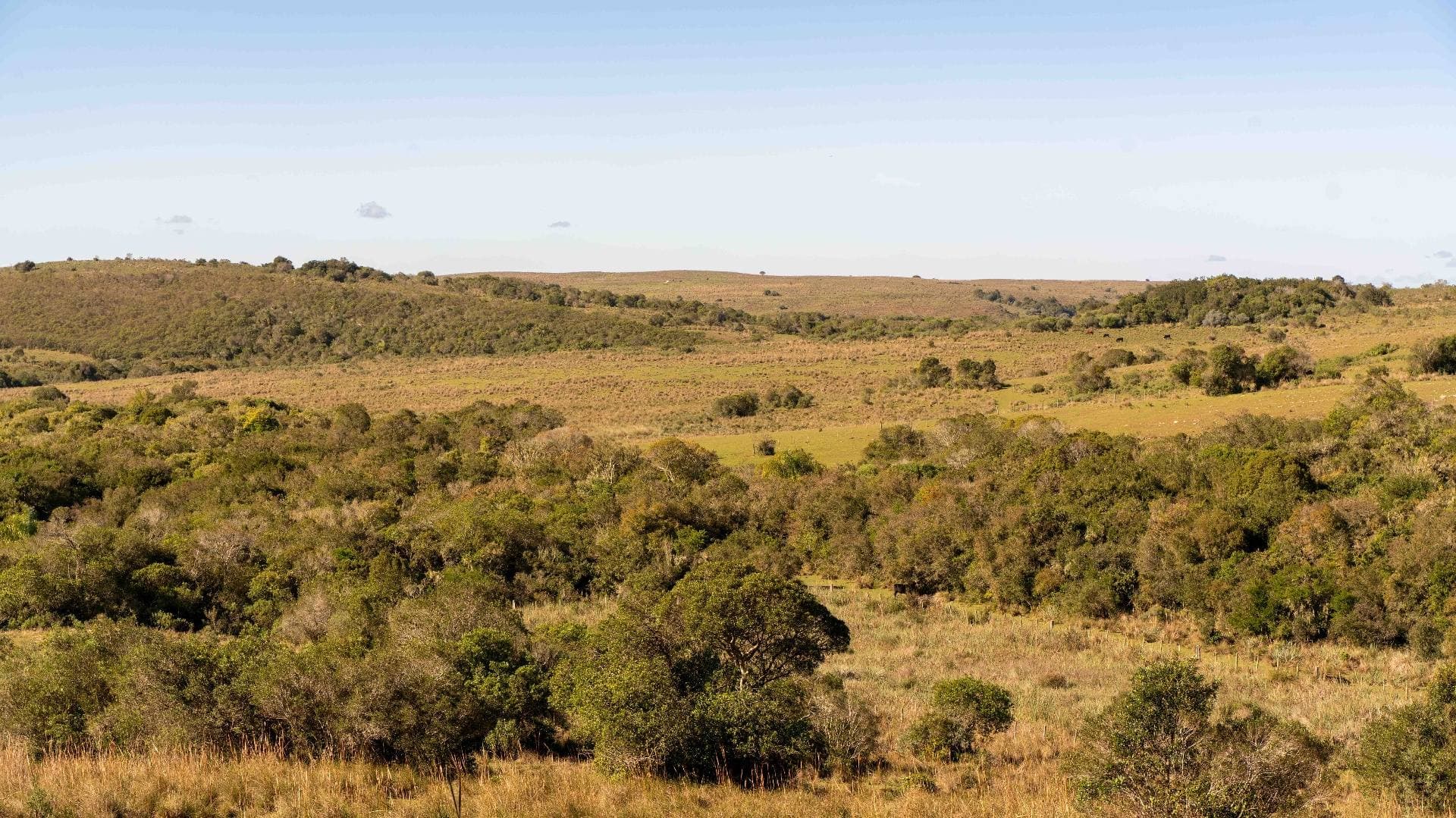
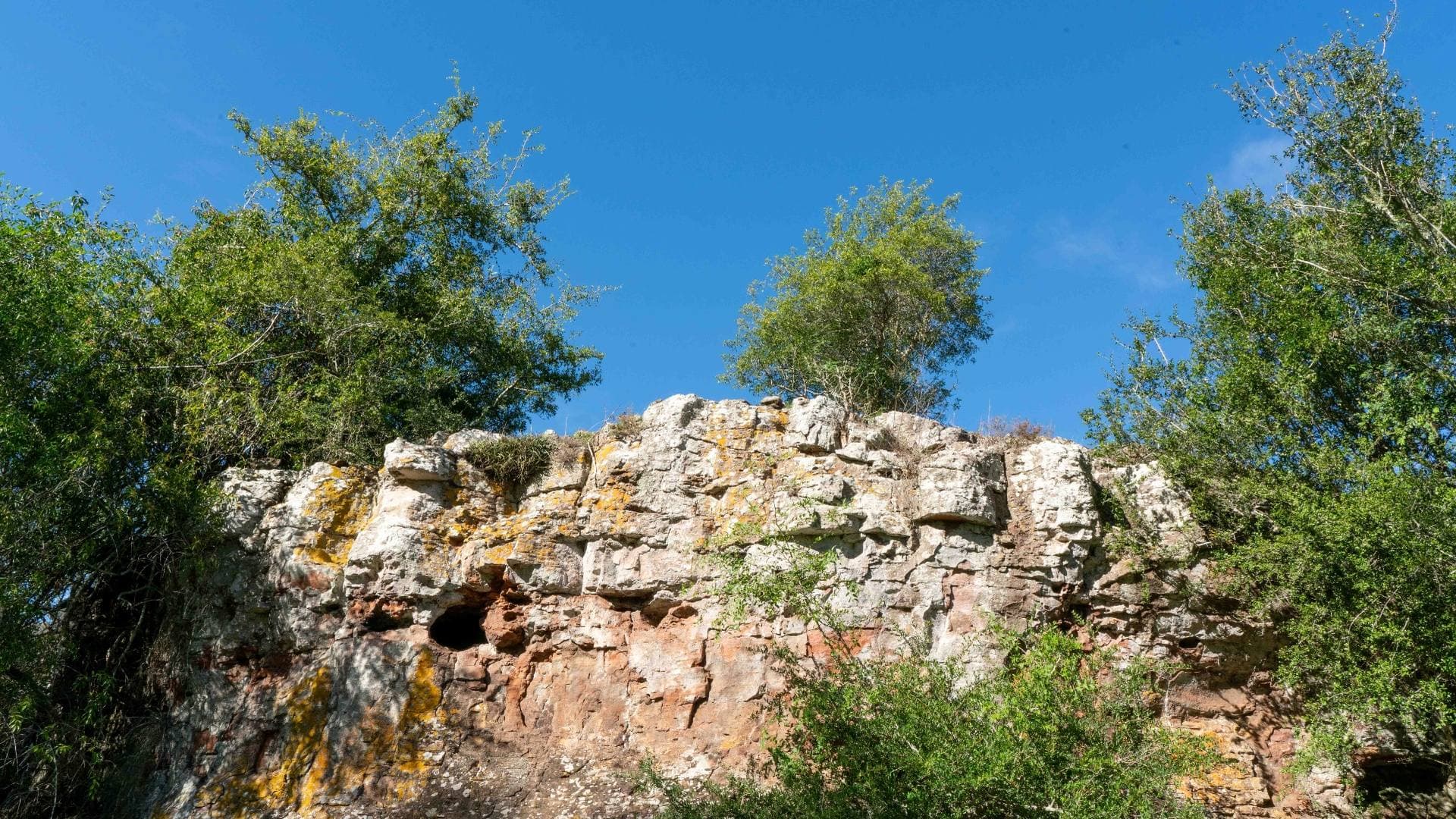
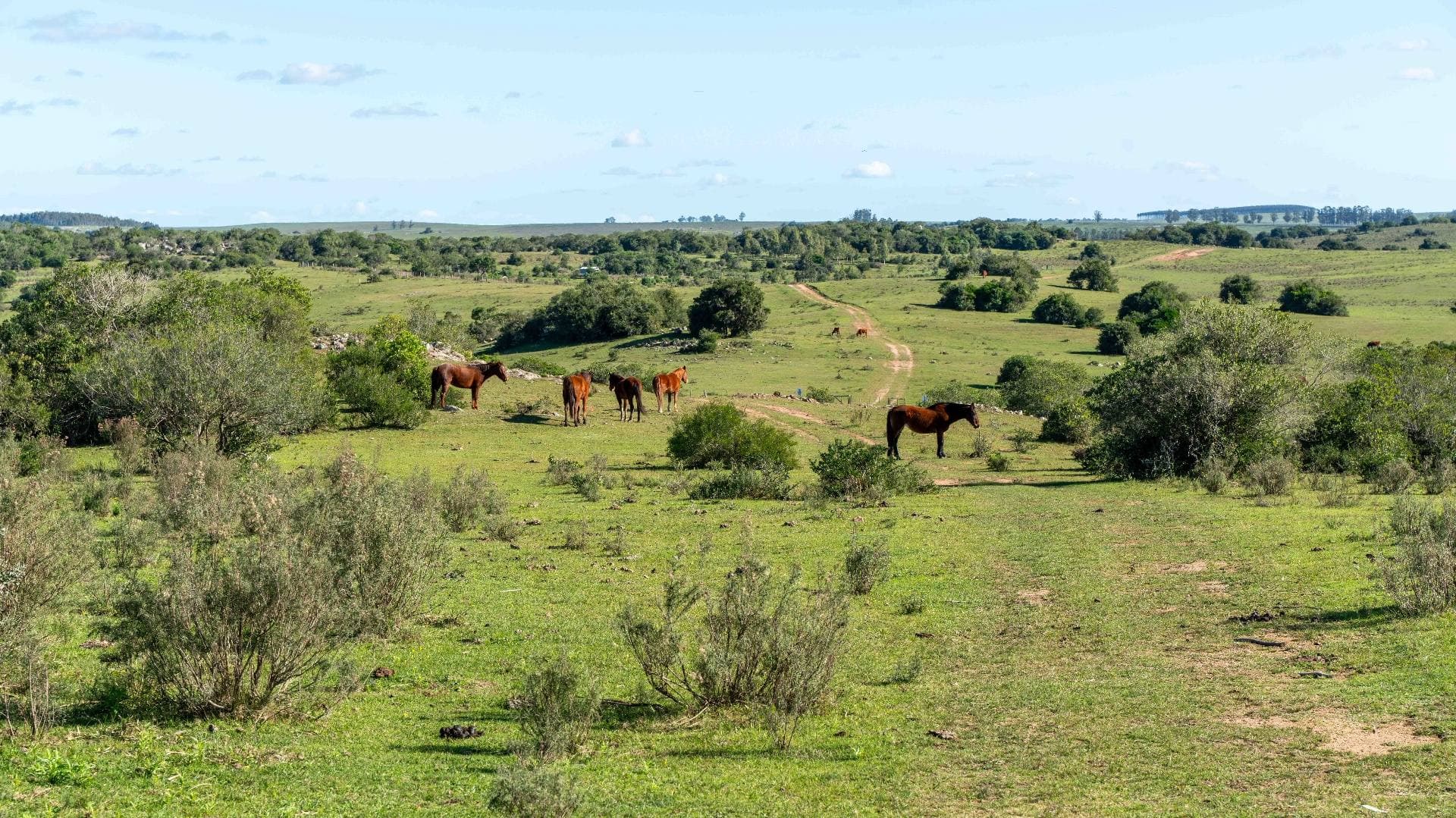
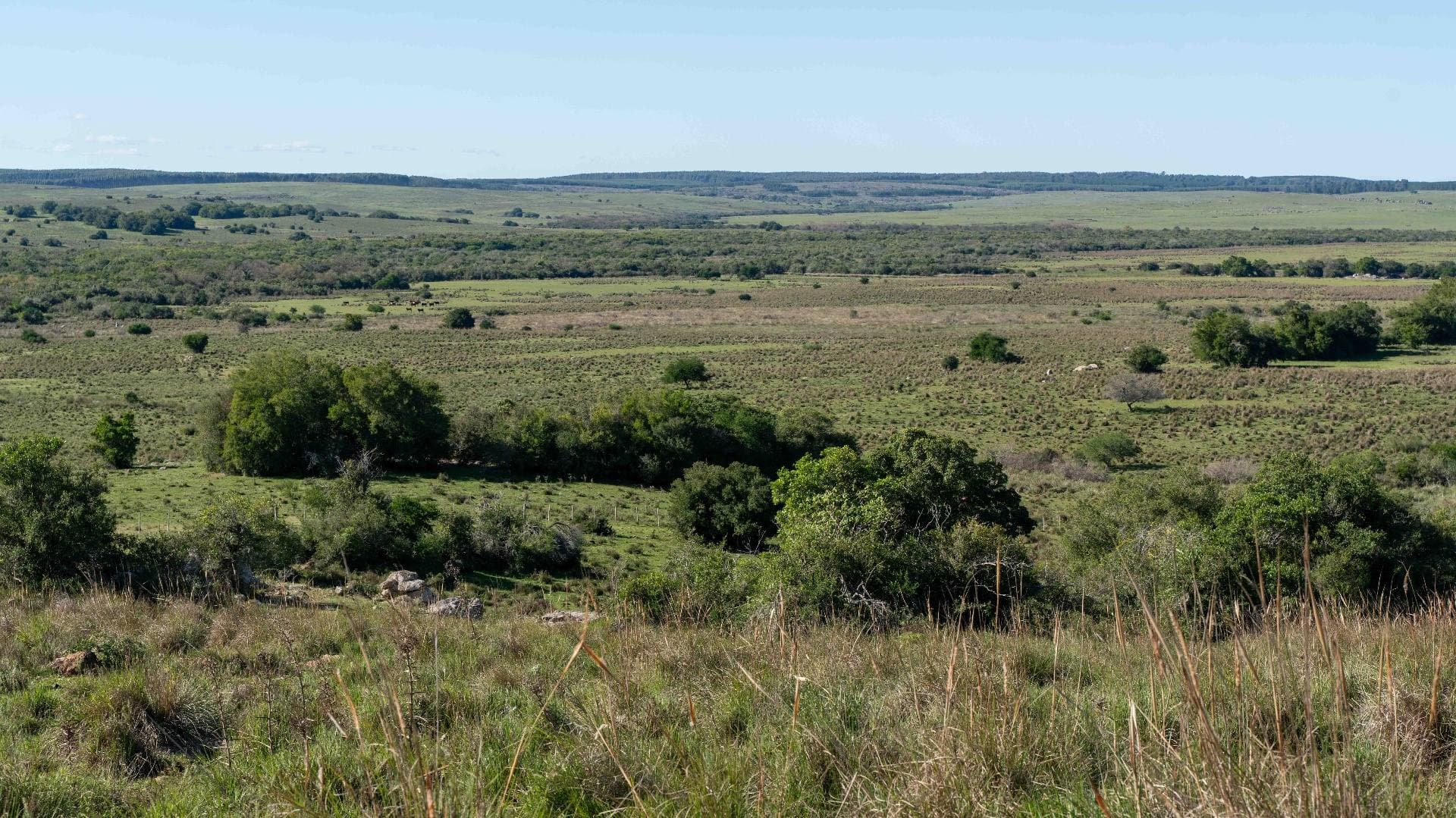
Natural grassland, also known as natural prairie or natural pasture, is the most important vegetation type in Uruguay, both for its extent (it currently covers a little under 60% of the territory) and for the number of plant and animal species it harbours (some 2,000 plant species). It sustains livestock farming and provides numerous ecosystem services: carbon reservoir, protection of the soil against erosion, and improved surface water quality. Land use change and inadequate grazing management are its main threats. The UPM Biodiversity Reserves protect a range of natural grassland formations, including sandstone natural grasslands, stony rolling hills, hill ranges, stony and waterlogged grasslands, rocky grasslands, grasslands on ledges, waterlogged and sandy grasslands, and lowland grasslands, each with its own particular soil characteristics and floristic composition.
Did You Know...
Hidden Diversity
When you are standing in a natural grassland, you probably get the feeling that "it all looks the same". Yet this kind of environment is home to the greatest diversity of species in the country, especially of grasses. Look closely and you will see that there are many different species, not only grasses but also other plants growing among them. In an area of just 10 m² you can find up to 100 different species.
Regional Variation
Each region of the country has different types of natural grasslands, which in many cases differ noticeably, mainly in how often the various species appear. These variations are closely linked to the type of soil where they grow. For example, grasslands growing on shallow soils (such as basalt) are very different from those developing on deeper soils (such as sandstone soils or those of the area known as the crystalline zone).
A Threatened Ecosystem
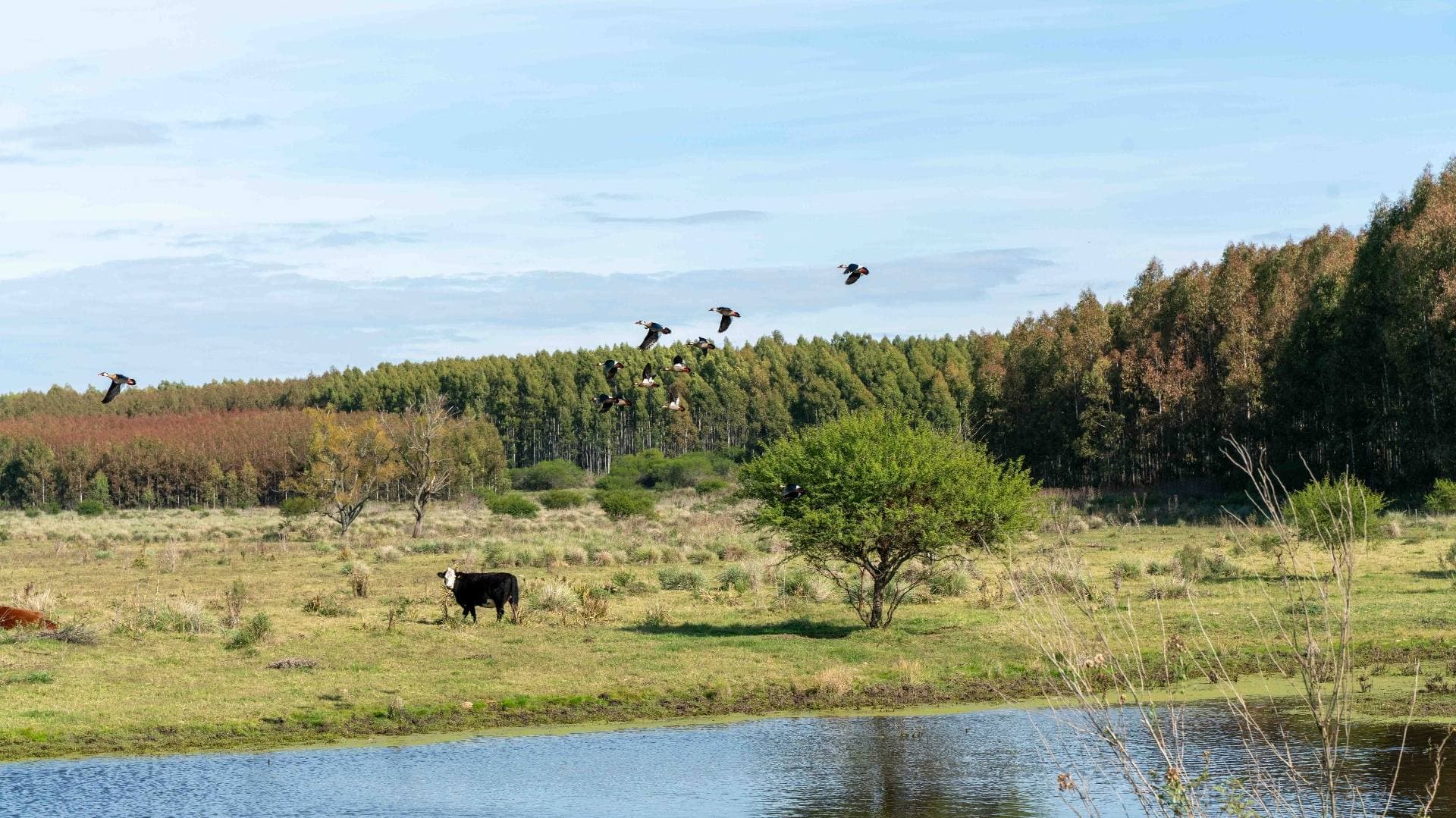
The characteristics of grasslands also depend a great deal on how livestock is managed. The way natural grasslands look today is very different from the way they looked in the early days of cattle farming. The number and type of animals that graze, as well as how long they graze for, determine the condition of the grasslands. You can stand in an area bounded by fences where different management practices are used and you will see the differences. At the same time, natural grasslands are among the most threatened ecosystems in the world, since it is relatively easy to carry out productive activities that involve transforming them.
Test what you learned
Teaching Materials
Downloadable materials
Fact sheets, guides and printable resources about this ecosystem will be available for download soon.
Ecosystem Gallery
Reserves with this Ecosystem
Arroyo Lechiguana
1,054 hectares

Arroyo Malo
543 hectares

Barrancas Negras
600 hectares

Barrancas del Queguay
1,031 hectares
Cascadas de Tacuarembó
163 hectares

Cerro de los Chivos
534 hectares

Cerro del Mortero
492 hectares

Coladeras
445 hectares

Coquimbo
369 hectares

Costas del Río Negro
950 hectares

Cueva del Tigre
45 hectares

Dunas del Tacuarembó
658 hectares

El Alero
277 hectares

La Peñarrosa
328 hectares

Lambaré
420 hectares

Las Tunas
178 hectares

Los Capuchinos
13 hectares

Mafalda Este
282 hectares

Palmares de Mellizos
341 hectares

Palmares de las Cañas
63 hectares

Palmares del Cuico
250 hectares

Palmares del Río Negro
1,000 hectares

Paso del Yapeyú
865 hectares
Pastizales del Basalto
308 hectares

Pastizales del Litoral
22 hectares
Quiebrayugos
25 hectares

Román Grande
359 hectares

Serranías de Polanco
612 hectares
Sierra de Ríos
225 hectares
Viraroes
29 hectares

Yerbal
82 hectares