Ecosystems
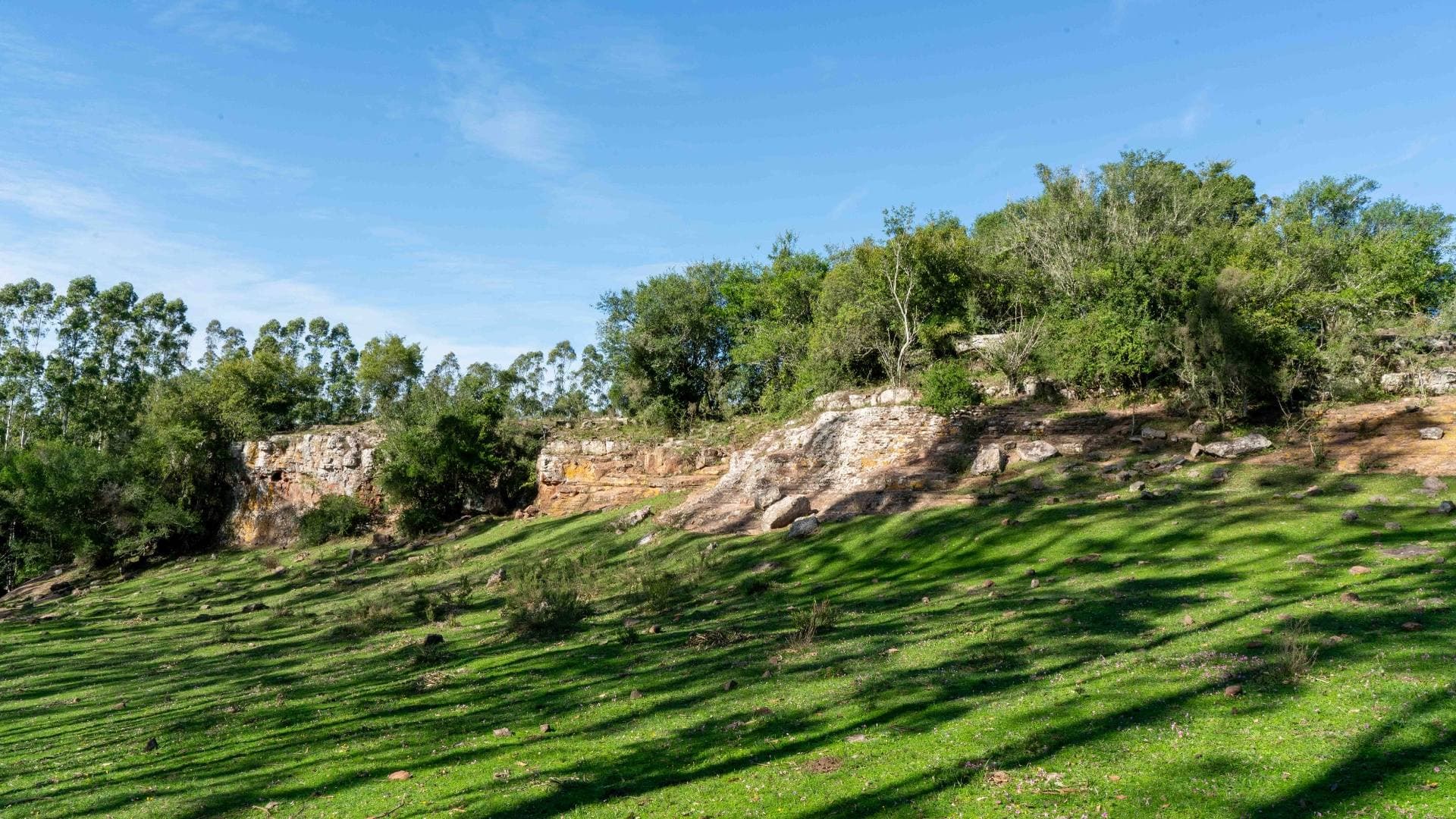
Sandstone ledges
About the Ecosystem
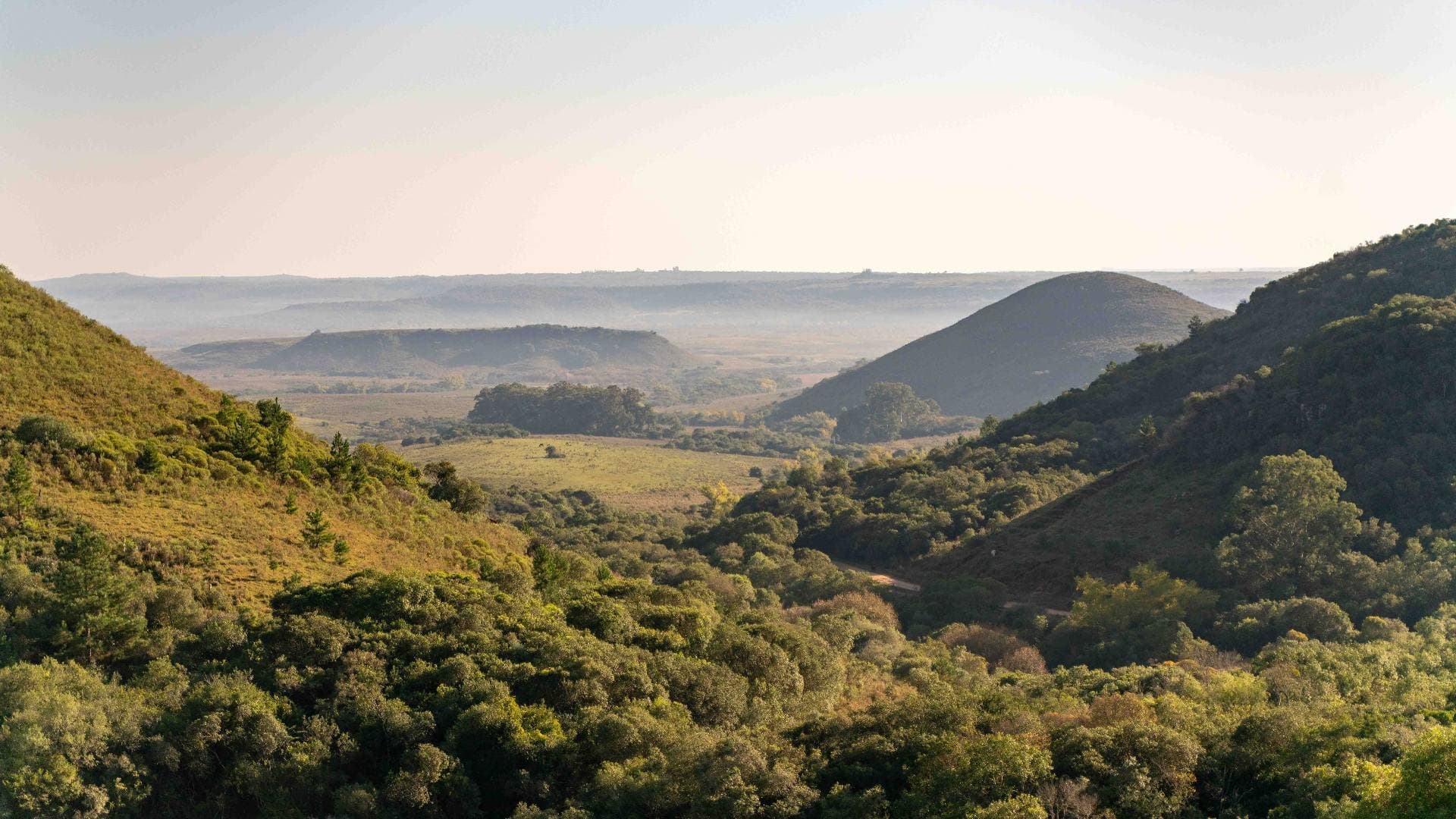
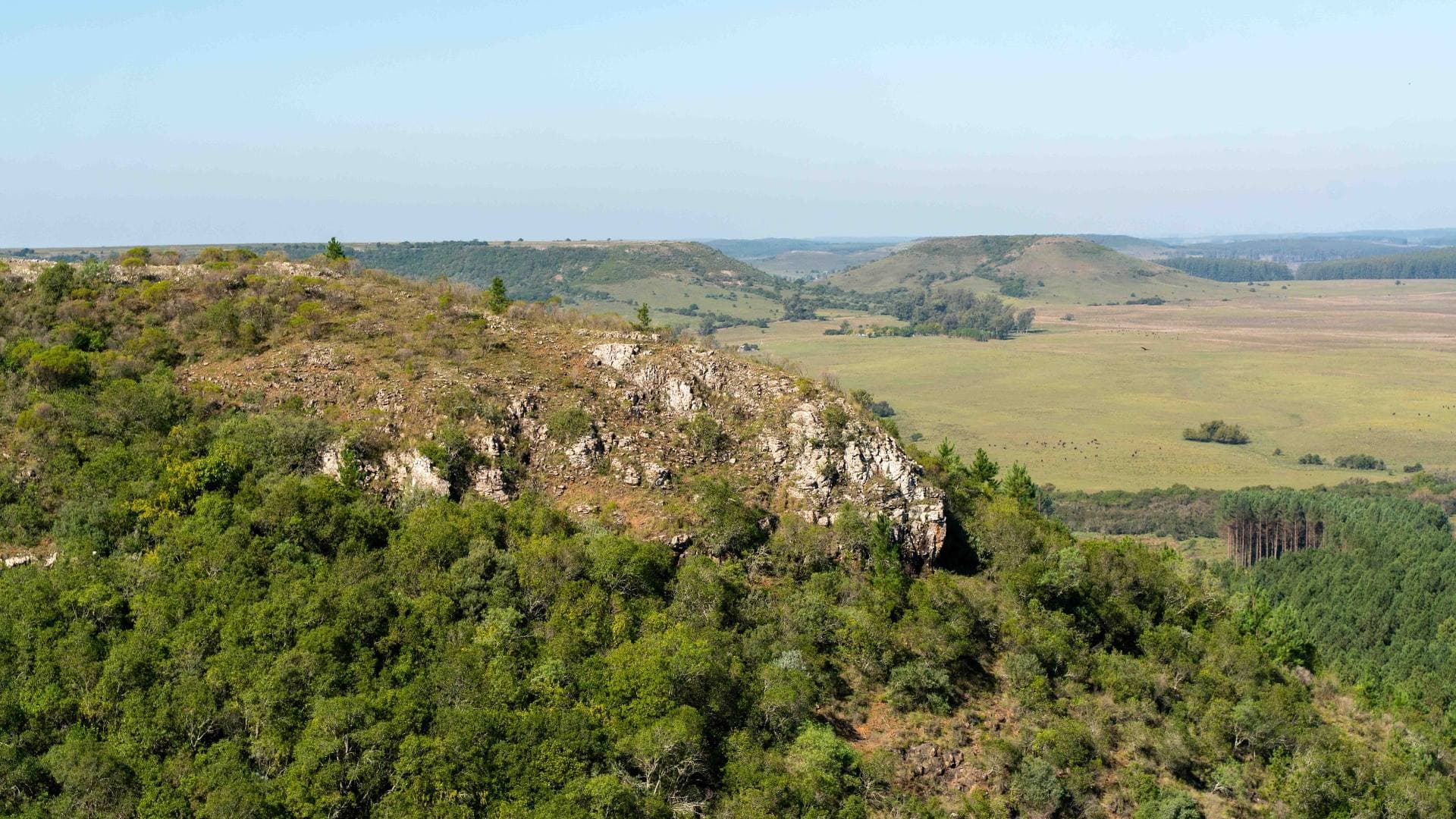
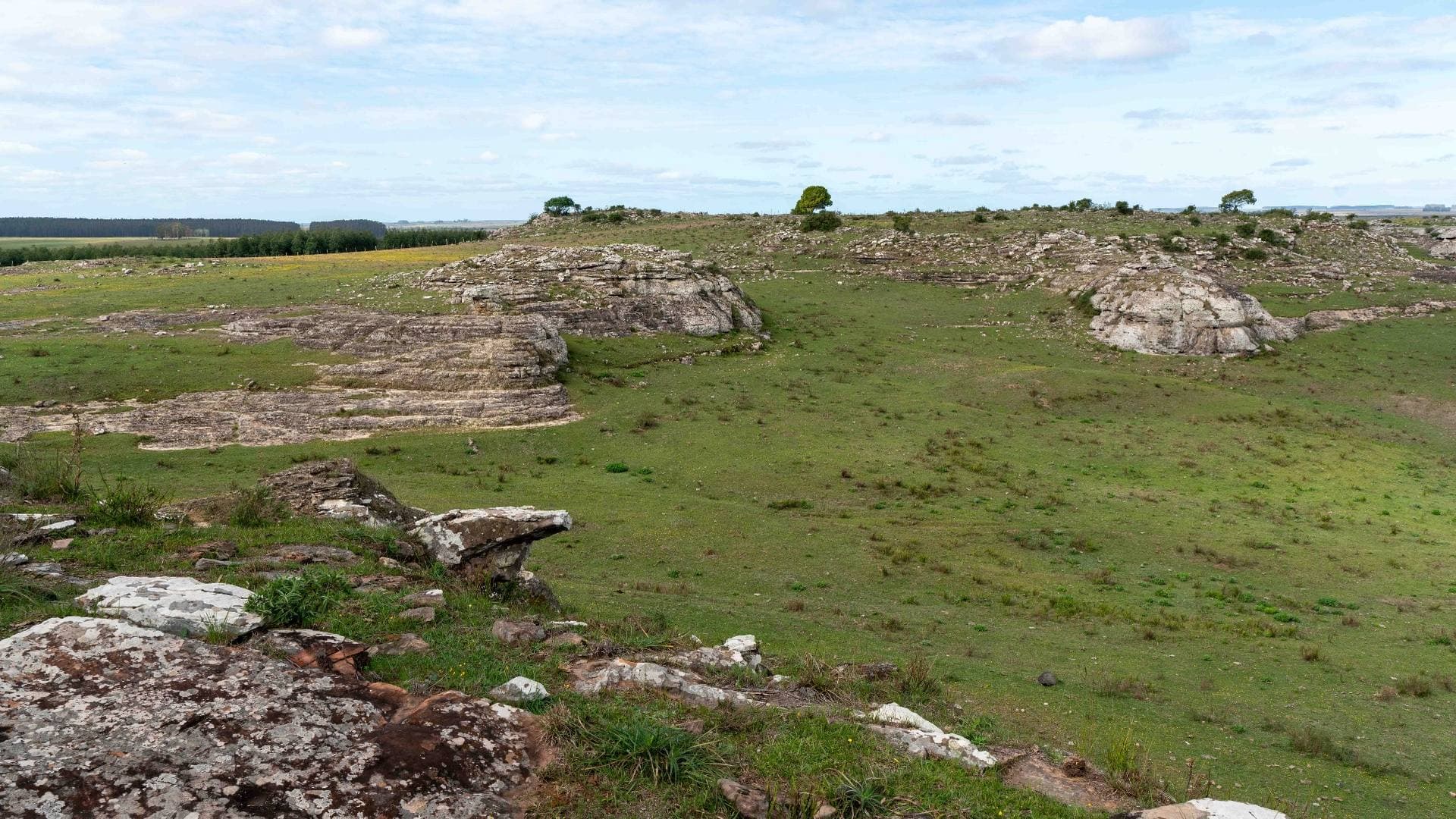
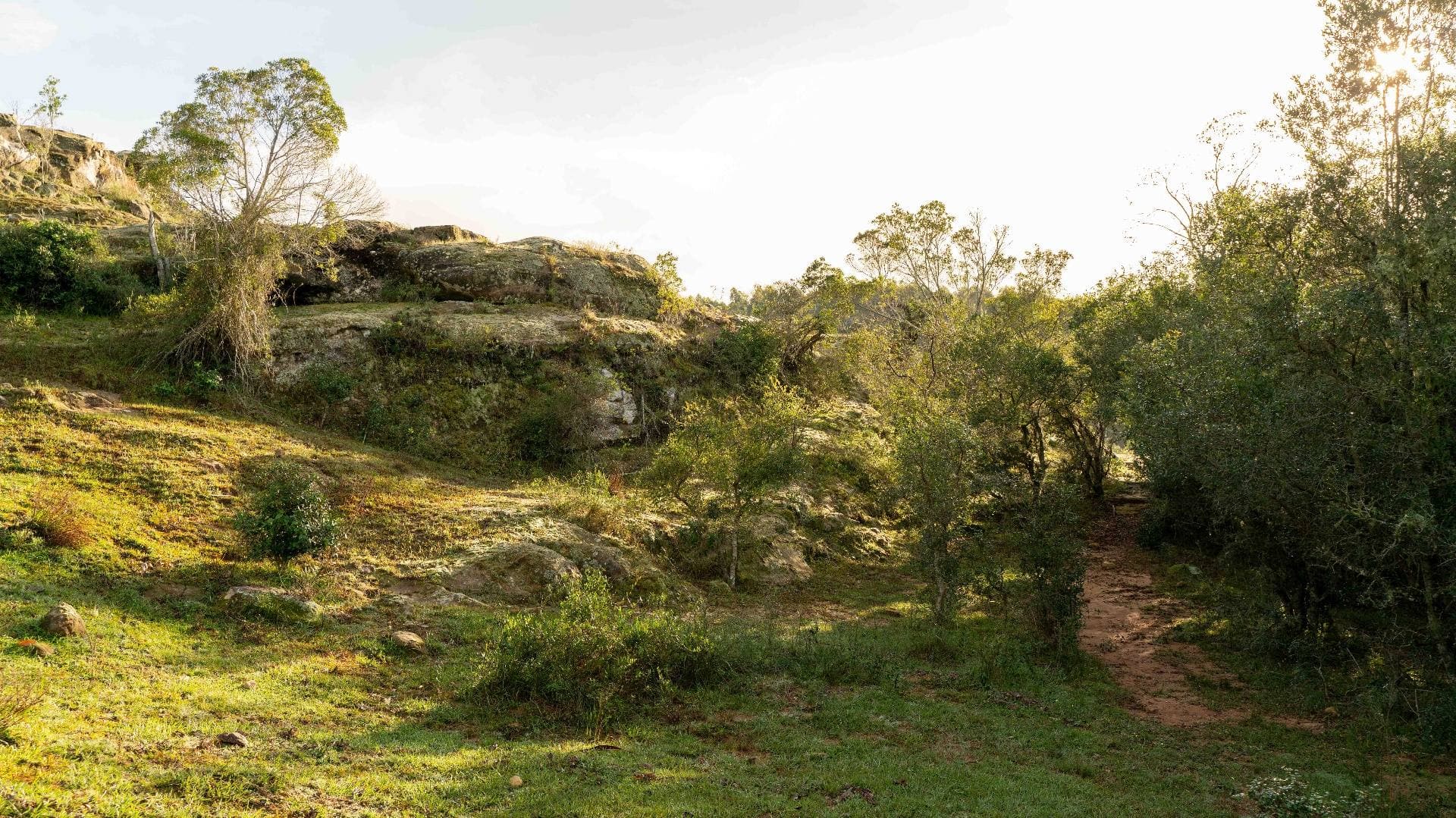
This is the upper part of the flat-topped hills, although sometimes these ledges occur without such hills forming. They tend to harbour species that are completely different from those of the surrounding natural grassland, which increases the diversity of the area. Sandstone ledges represent the hardest part of the flat-topped hills (and therefore the most resistant to erosion). They are like steps that can be several metres high and create rock walls where a variety of plant species grow.
Did You Know...
Stone Steps
Sandstone ledges are the hardest, most erosion-resistant part of the flat-topped hills. They form steps that can be several metres high, creating rock walls where a variety of unique plant species grow.
Orientation and Microclimate
Depending on which way they face, the sandstone ledges develop more or less vegetation. Those facing south are more shaded and create a damper microclimate, while those facing north get more direct sun and have less vegetation. It all comes down to the angle of the sun's rays.
Exclusive Species
Several plant species live exclusively in these environments, such as *Agarista eucalyptoides* or *Agarista chlorantha*, both from the same family as blueberries. These plants are not found in any other ecosystem in the country.
Test what you learned
Teaching Materials
Downloadable materials
Fact sheets, guides and printable resources about this ecosystem will be available for download soon.